Japanese Culture, Mythology & Folklore

Japanese Experience: a digital museum from the Mashiyu Foundation

Enter the Digital Museum

Step through the gates of Japanese cultural heritage. Each exhibition offers an immersive journey through the stories, legends, and wisdom that have shaped Japanese civilization for over a millennium.
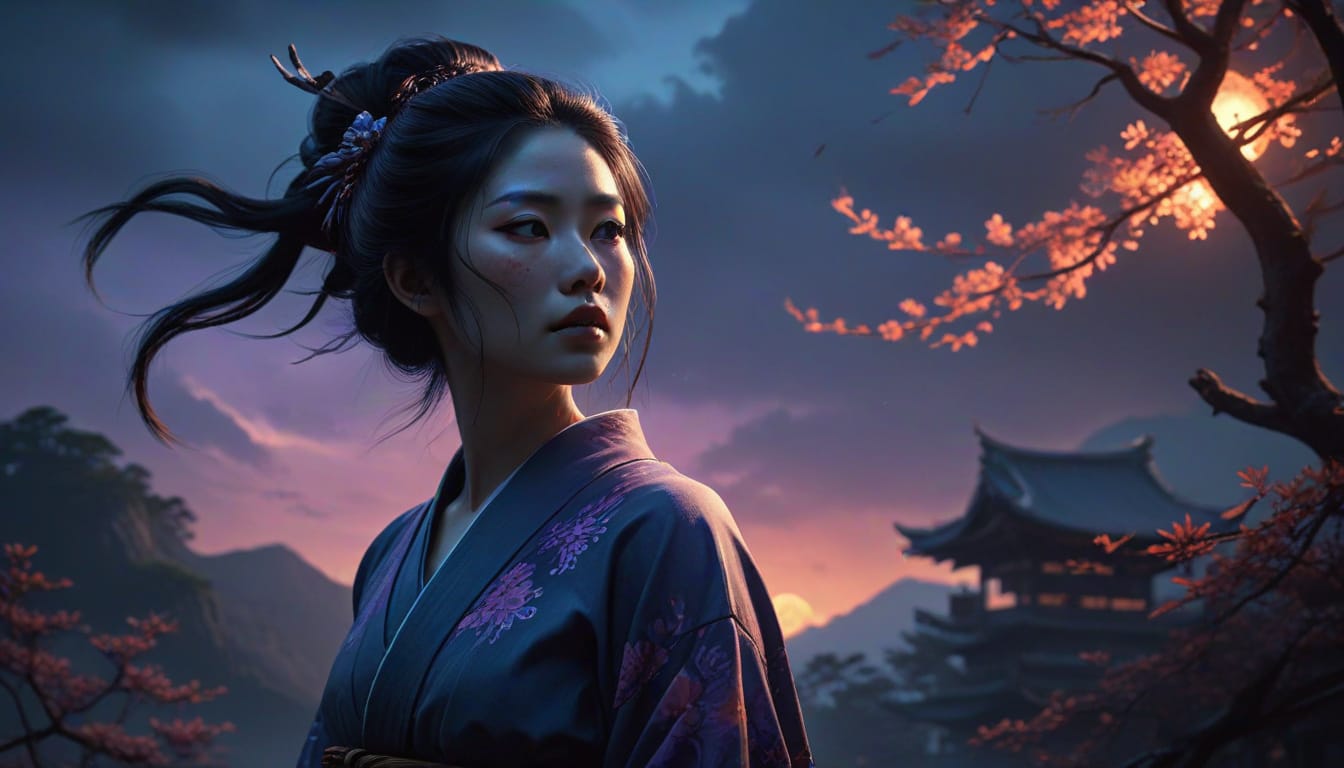
Yokai Encyclopedia: a young woman in a dark floral kimono stands at dusk beneath glowing blossoms, a pagoda silhouetted behind her
49 yokai · 49 articles

Yokai Encyclopedia

Discover the supernatural creatures of Japanese folklore. From mischievous spirits to powerful demons, explore the rich tapestry of yokai mythology.
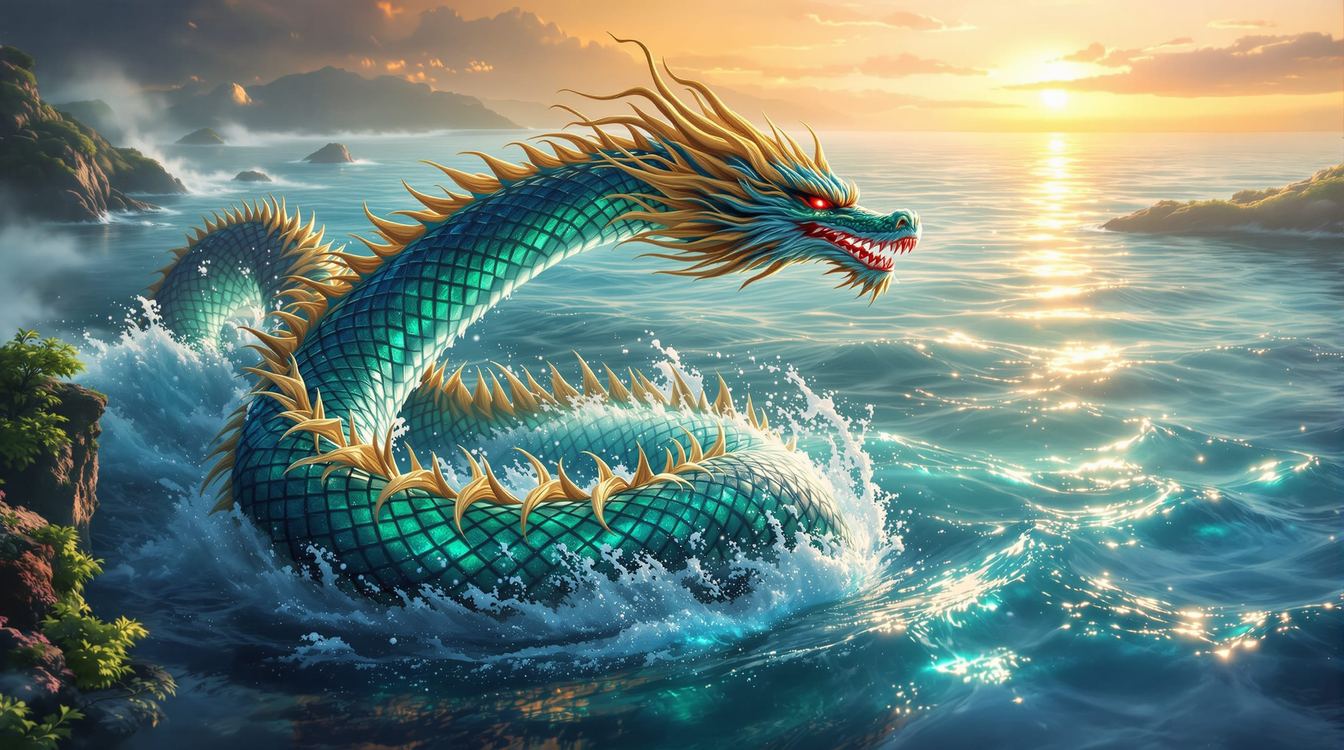
Ryujin, the Japanese dragon god of the sea: a turquoise dragon with golden spines and red eyes coils through sunlit waves
6 myths

Kojiki Chronicles

Journey through the ancient myths of creation. Follow the gods who shaped the islands of Japan and established the imperial line.

Samurai and bushido: an armoured samurai kneels with his katana on a misty temple veranda beside a glowing lantern and drum
History

Samurai & Bushido

Enter the world of the warrior class. Explore the code of bushido, legendary battles, and the cultural impact of the samurai tradition.
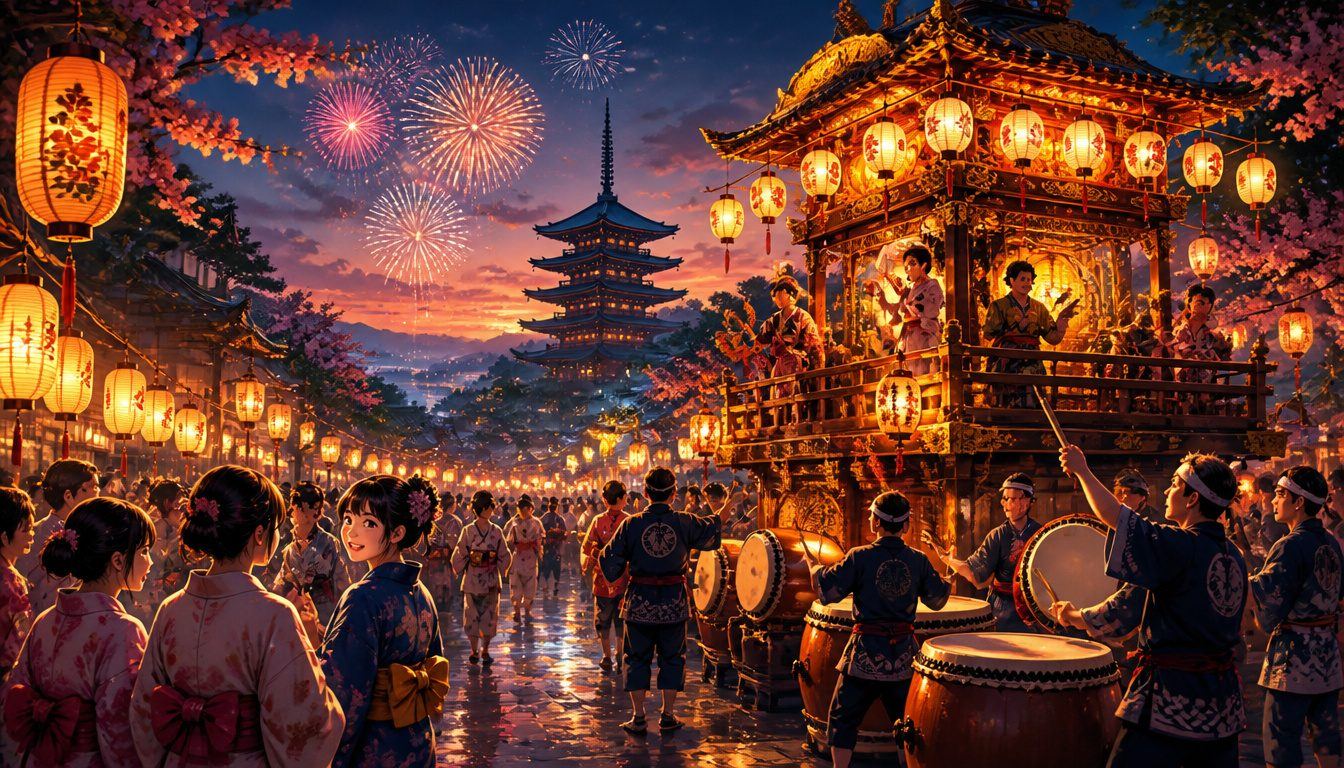
A Japanese summer festival at dusk: crowds in yukata, glowing lanterns, a festival float, taiko drummers and fireworks above a pagoda
2027 calendar

Festivals & Traditions

Experience the vibrant celebrations that mark the seasons. From hanami to Obon, discover the festivals that connect past and present.
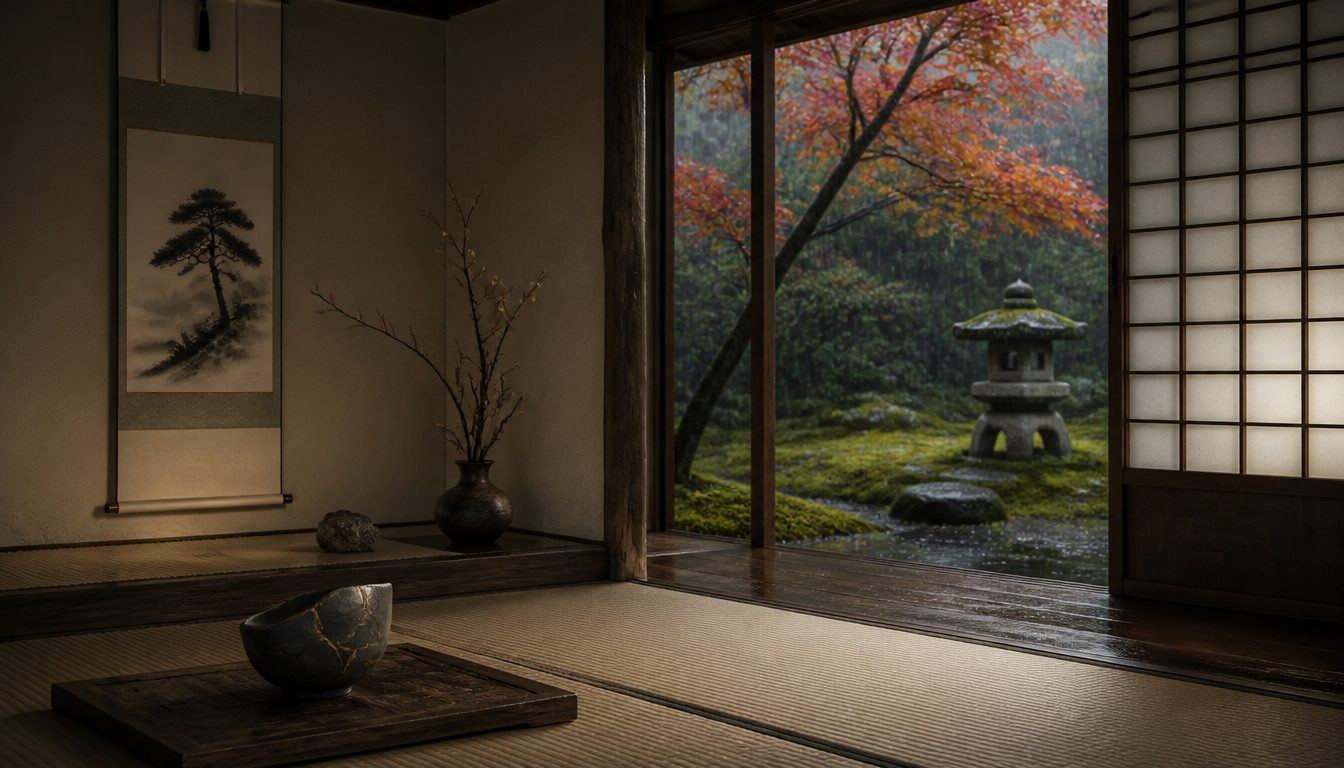
Japanese art and aesthetics: a tatami room with a pine scroll, kintsugi bowl and open doors onto a rainy garden with lantern
New exhibit

Art & Aesthetics

Delve into the principles of Japanese beauty. Explore wabi-sabi, ma, and mono no aware through traditional and contemporary art.

Map of Japan's regional legends: the islands of Japan in raised red over a turquoise sea, with Mount Fuji and red maples
Sacred places

Regional Legends

Travel across Japan's prefectures. Each region holds unique stories, local deities, and distinctive folklore traditions.
From the Encyclopedia

49 yokai and kami, all of them with full, sourced articles. Start with some of the most searched.

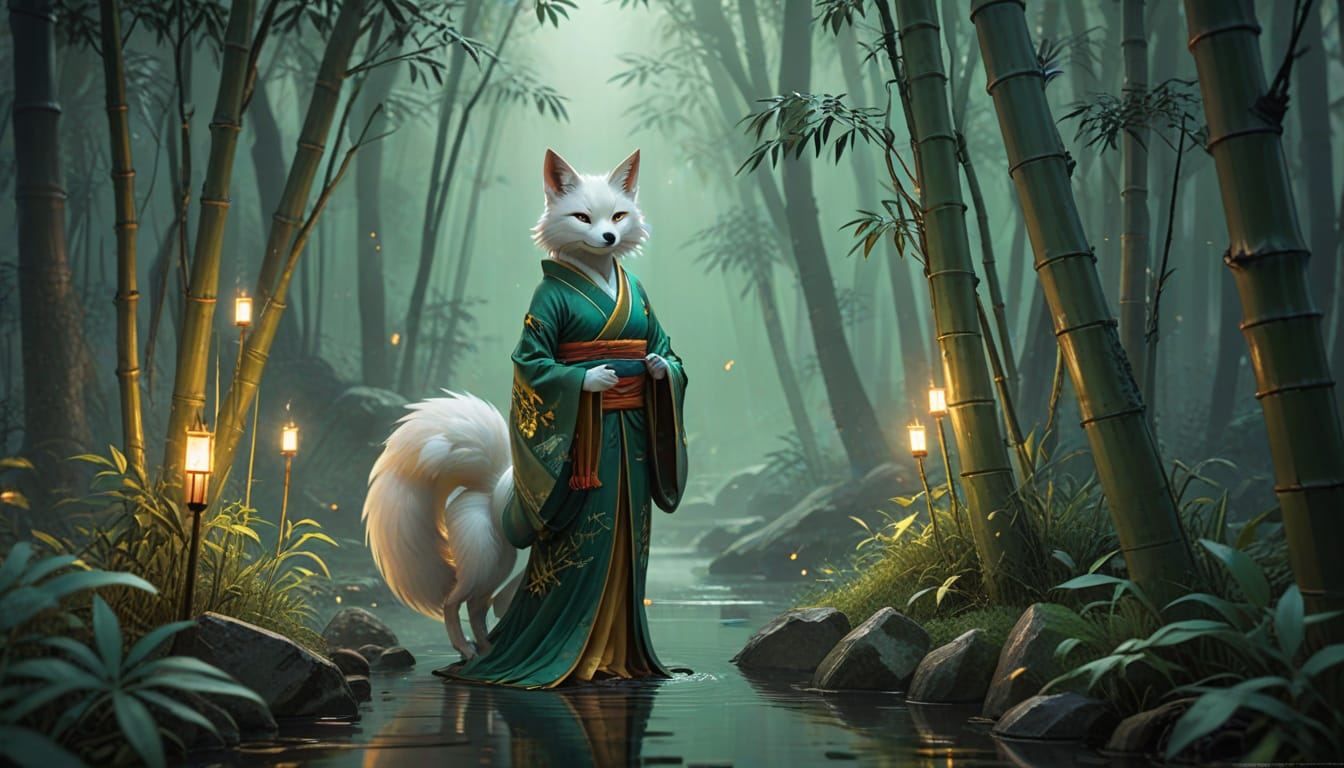
Kitsune, the Japanese fox spirit: a white fox in a green and gold kimono stands in a misty lantern-lit bamboo grove
animal

Kitsune

Fox spirits renowned for their intelligence, magical abilities, and shape-shifting powers.

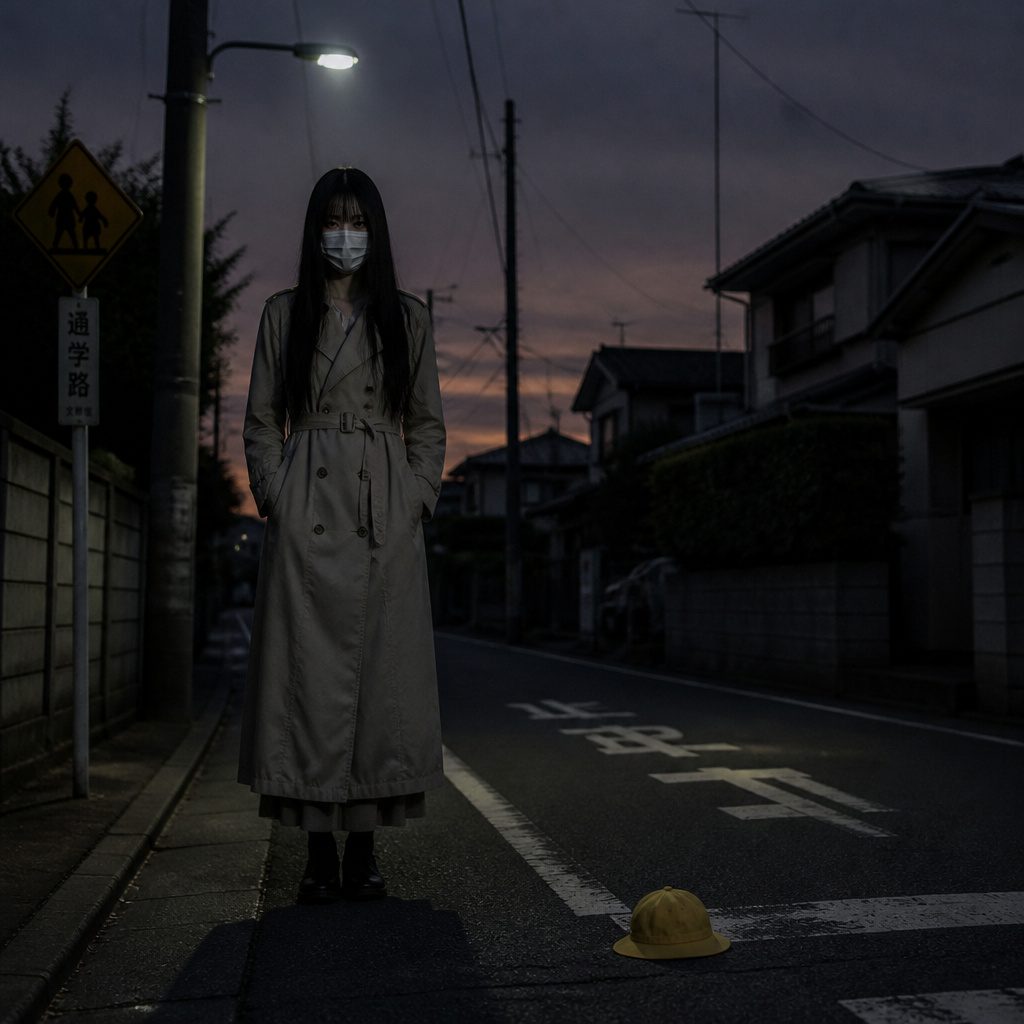
Kuchisake-onna, the slit-mouthed woman: a long-haired woman in a surgical mask and trench coat on a dusk street, a yellow hat dropped
spirit

Kuchisake-onna

A tall woman in a surgical mask who stops a lone child on the way home and asks, "Am I pretty?" Whatever the answer, the mask comes down to…

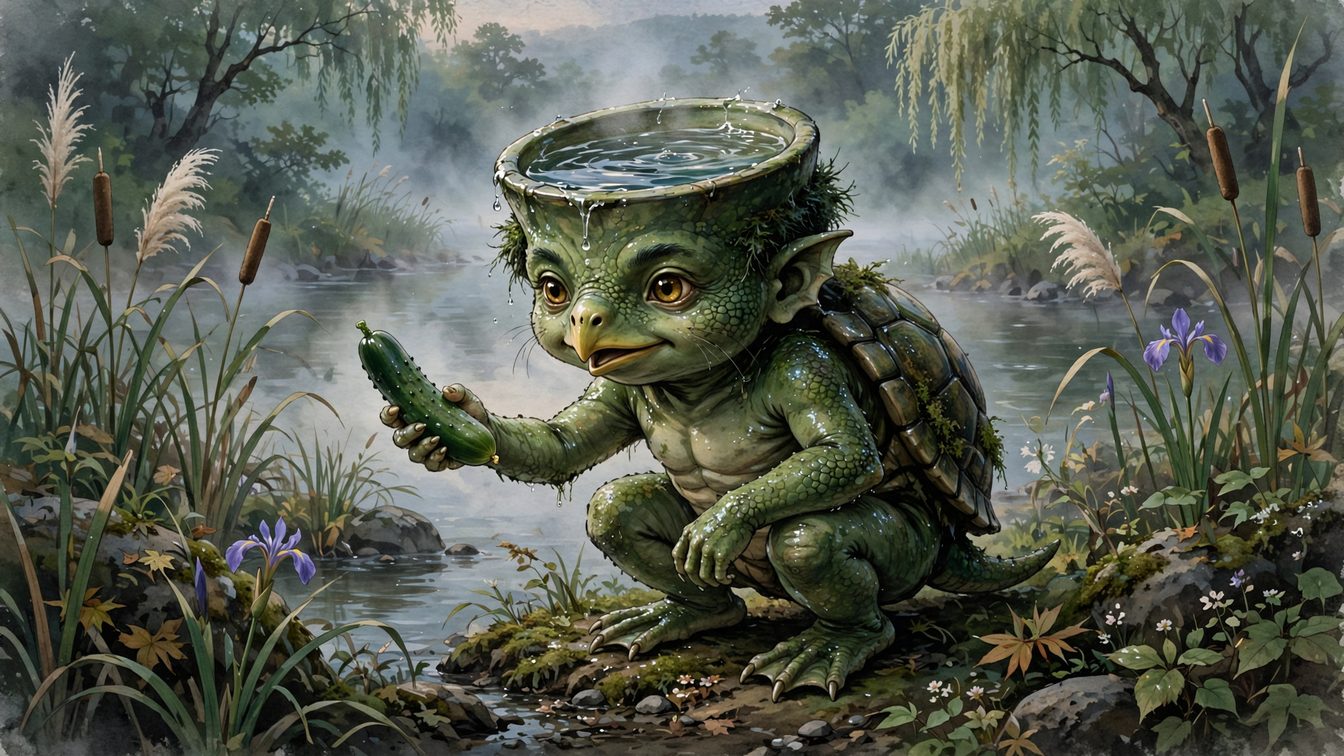
Kappa, the Japanese river creature: a small green scaly kappa with a turtle shell and water-filled head dish offers a cucumber by a misty river
nature

Kappa

Water-dwelling creatures resembling humanoid turtles with a water-filled dish on their heads.

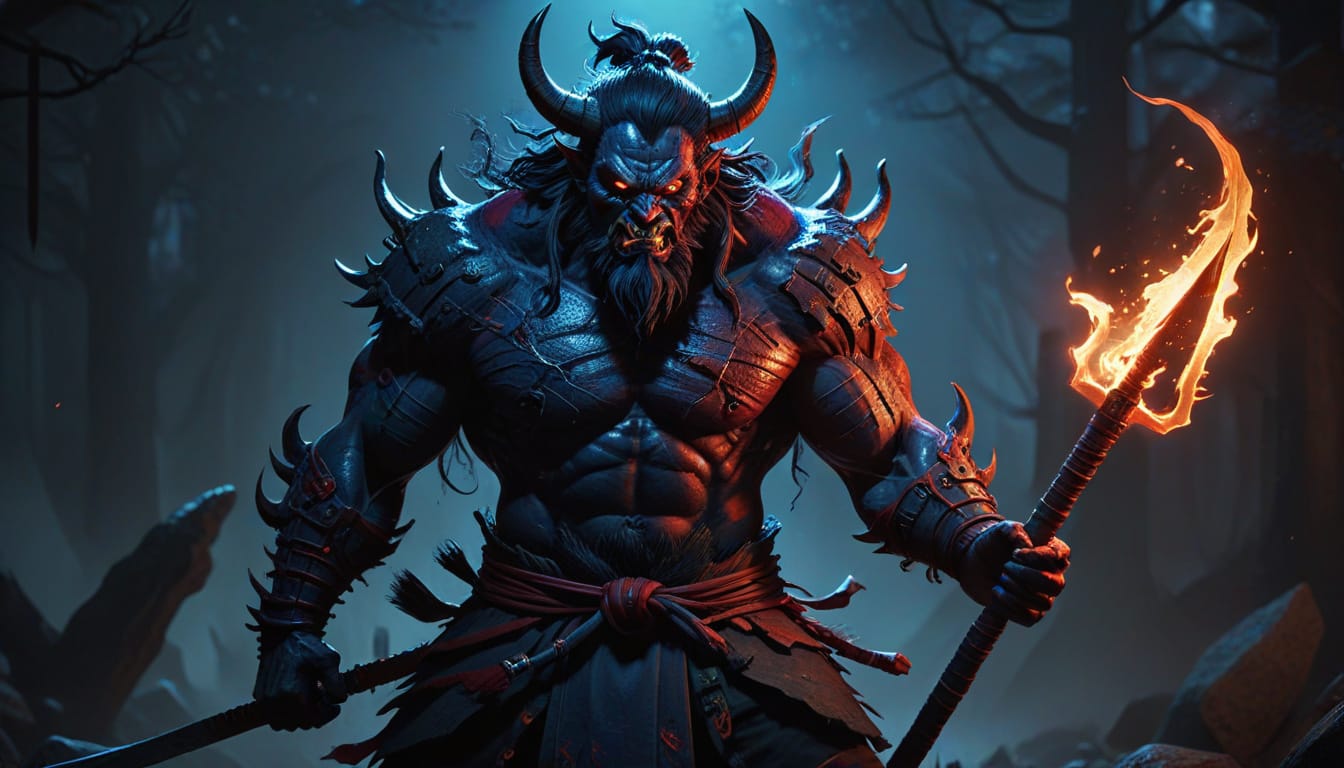
Oni, the Japanese demon: a horned, muscular blue-skinned ogre with glowing red eyes grips a flaming spear in a dark forest
demon

Oni

Fearsome demon-like beings with horns, sharp claws, and wild hair.

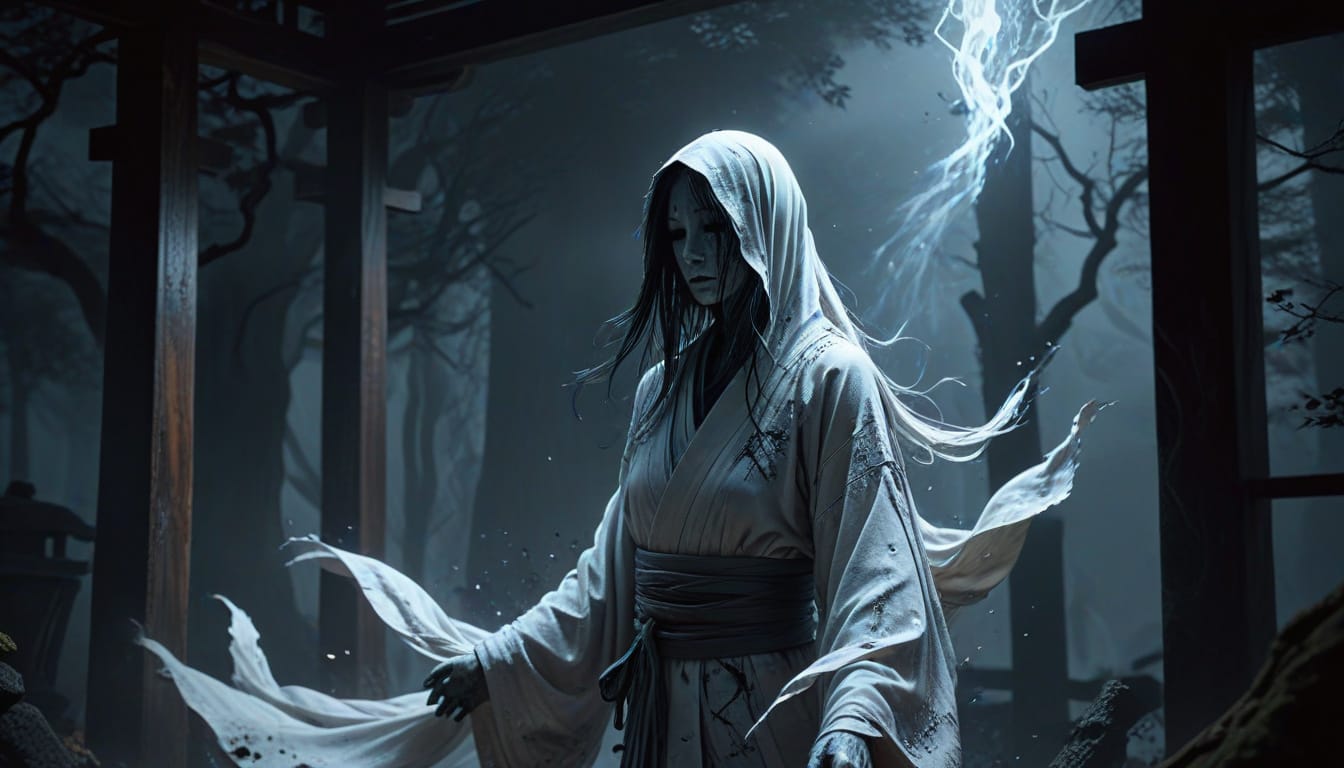
Yurei, the Japanese ghost: a pale woman with long black hair in a tattered white burial kimono drifts through a dark shrine
spirit

Yurei

Ghosts of the deceased who remain in the physical world due to powerful emotions or unfinished business.

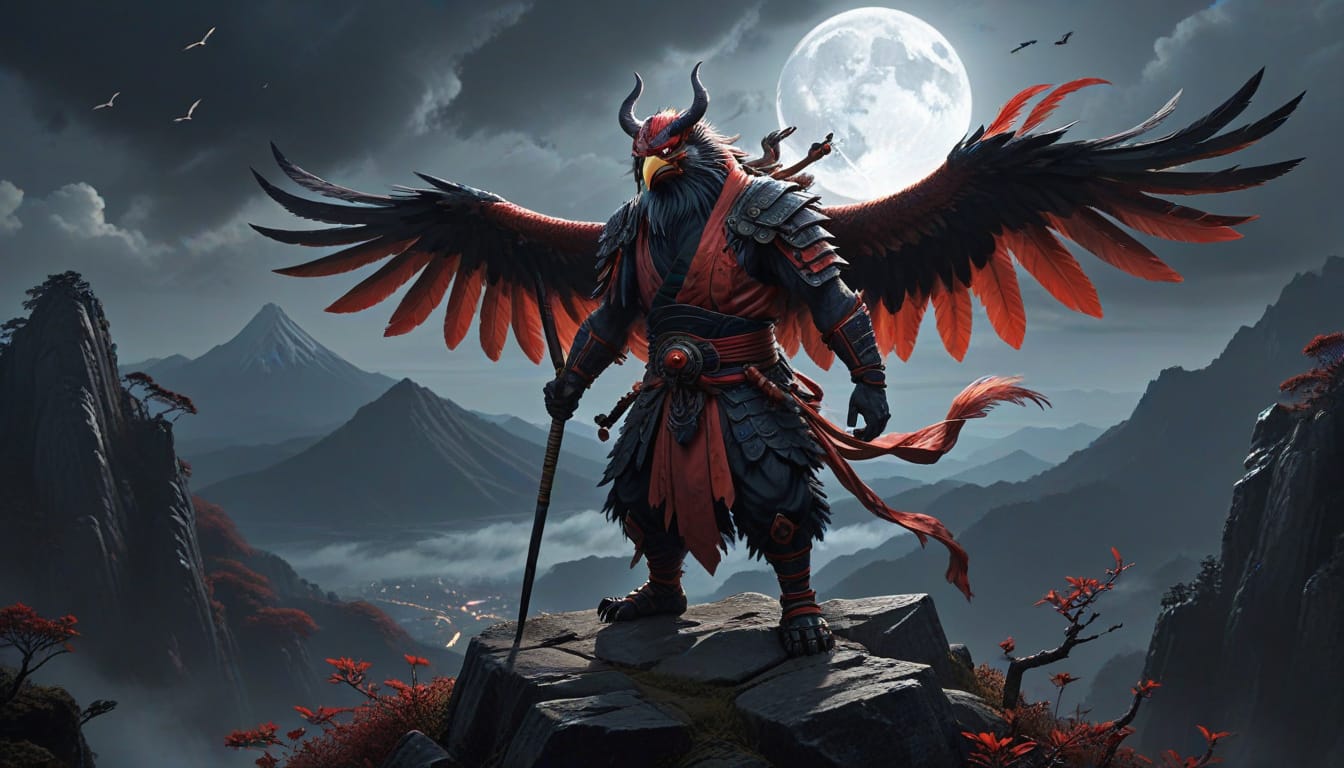
Tengu, the Japanese mountain goblin: a horned bird-headed warrior with red-black wings stands on a mountain peak under a full moon
demon

Tengu

Mountain-dwelling supernatural beings with both avian and human characteristics.

See all 49 yokai →

Myths of the Kojiki

Japan's oldest book, compiled in 712, begins with the age of the gods. 6 of its myths, retold from the text, in the order they happen.

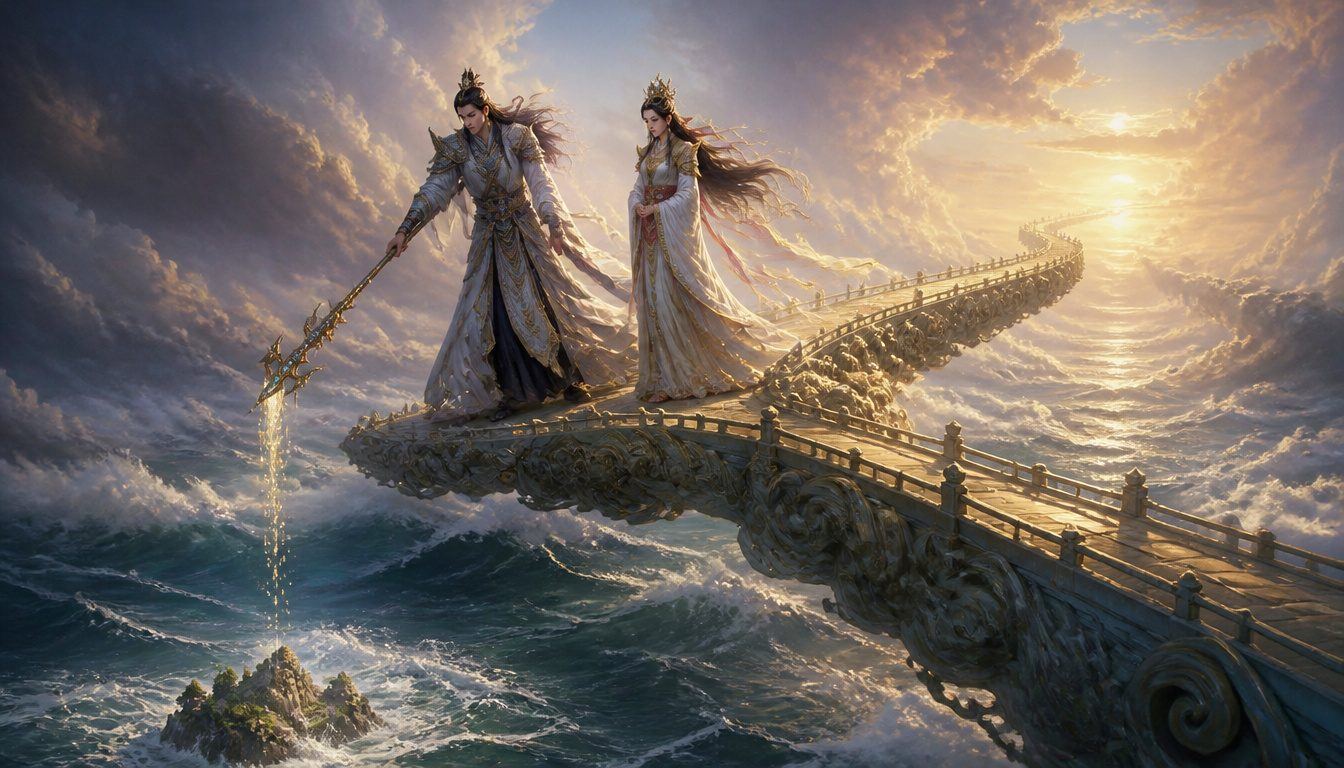
Izanagi and Izanami creating Japan: on the Floating Bridge of Heaven, Izanagi dips a jewelled spear into the stormy sea
The Creation of Japan

Izanagi & Izanami

Izanagi and Izanami stir the sea to make Onogoro, bear the islands of Japan, and part forever at the gate of Yomi. Retold from the Kojiki, with sources.

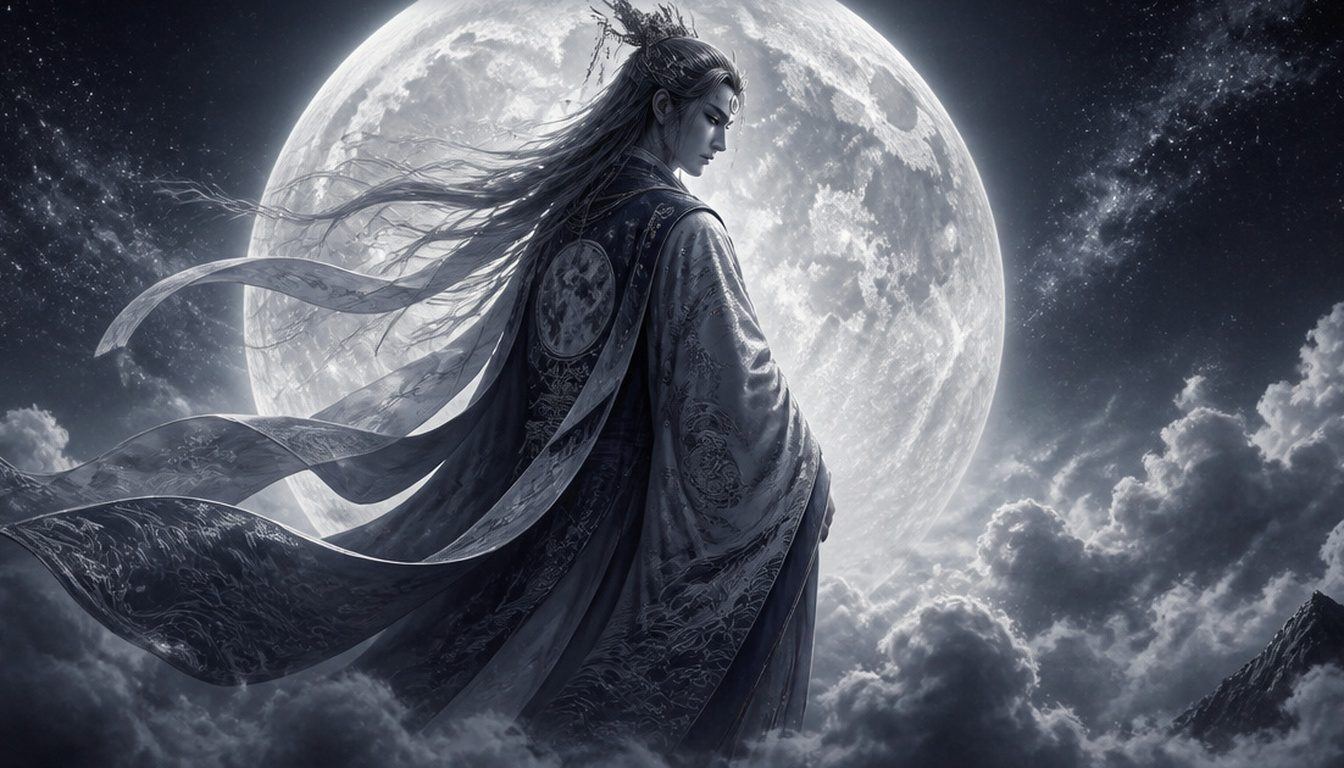
Tsukuyomi, the Japanese moon god: a long-haired figure in flowing silver robes stands above clouds before an enormous full moon, in monochrome
Why the Sun and Moon Never Meet

Tsukuyomi's Banishment

The moon god Tsukuyomi slays the food goddess Ukemochi and Amaterasu vows never to see him again — a Nihon Shoki myth, and the Kojiki's other version.

Amaterasu at the Heavenly Rock Cave: the sun goddess in white and red robes steps from a fiery ring in rock
When the Sun Disappeared

Amaterasu's Cave

When Susanoo's outrages drive the sun goddess into Ama-no-Iwato, the gods lure her out with a mirror, jewels and Ame-no-Uzume's dance. From the Kojiki.

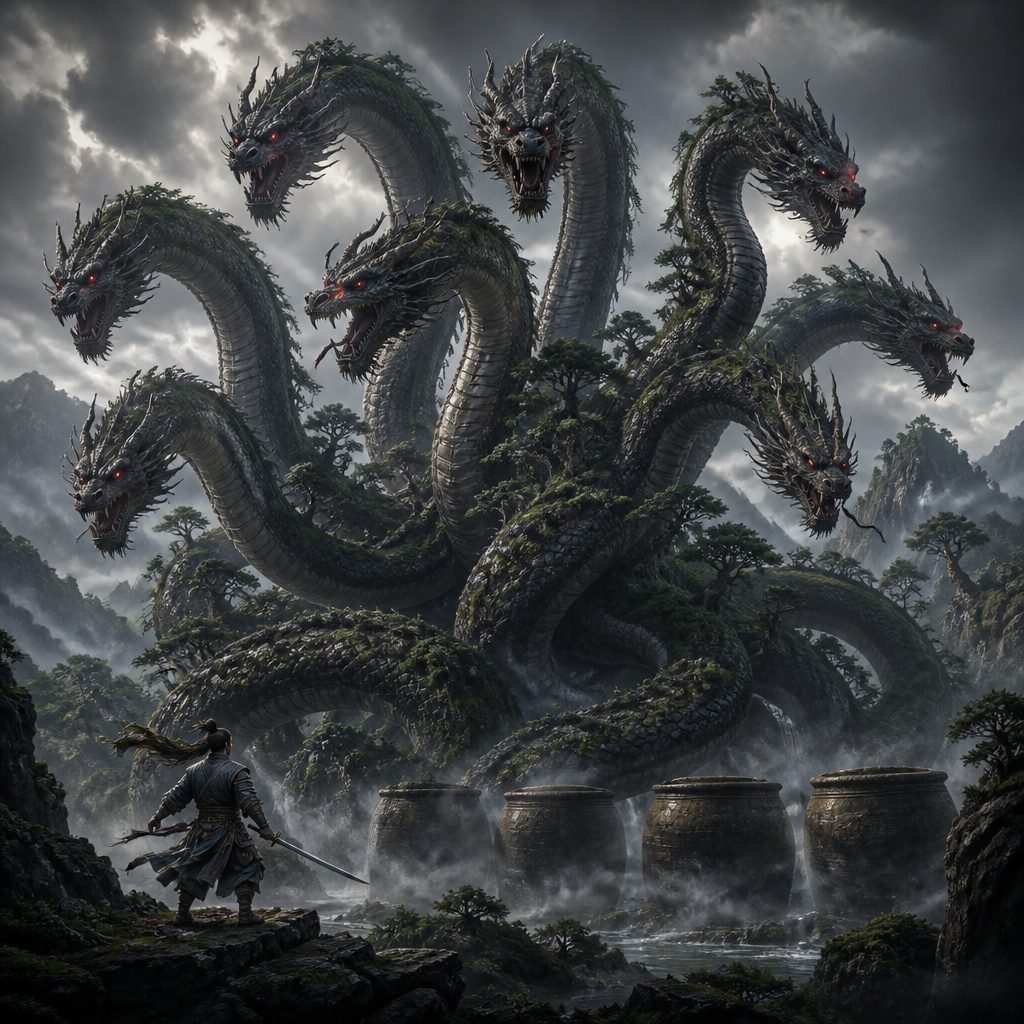
Yamata no Orochi, the eight-headed serpent: eight dragon-like heads with red eyes rise on long necks from a coiled body overgrown with trees, above great sake vats, as the swordsman Susanoo faces it from a rock
The Eight-Headed Serpent

Yamata no Orochi

Susanoo slays the eight-headed serpent of Izumo with eightfold sake, saves Kushinada-hime and finds the Kusanagi sword. Retold from the Kojiki.

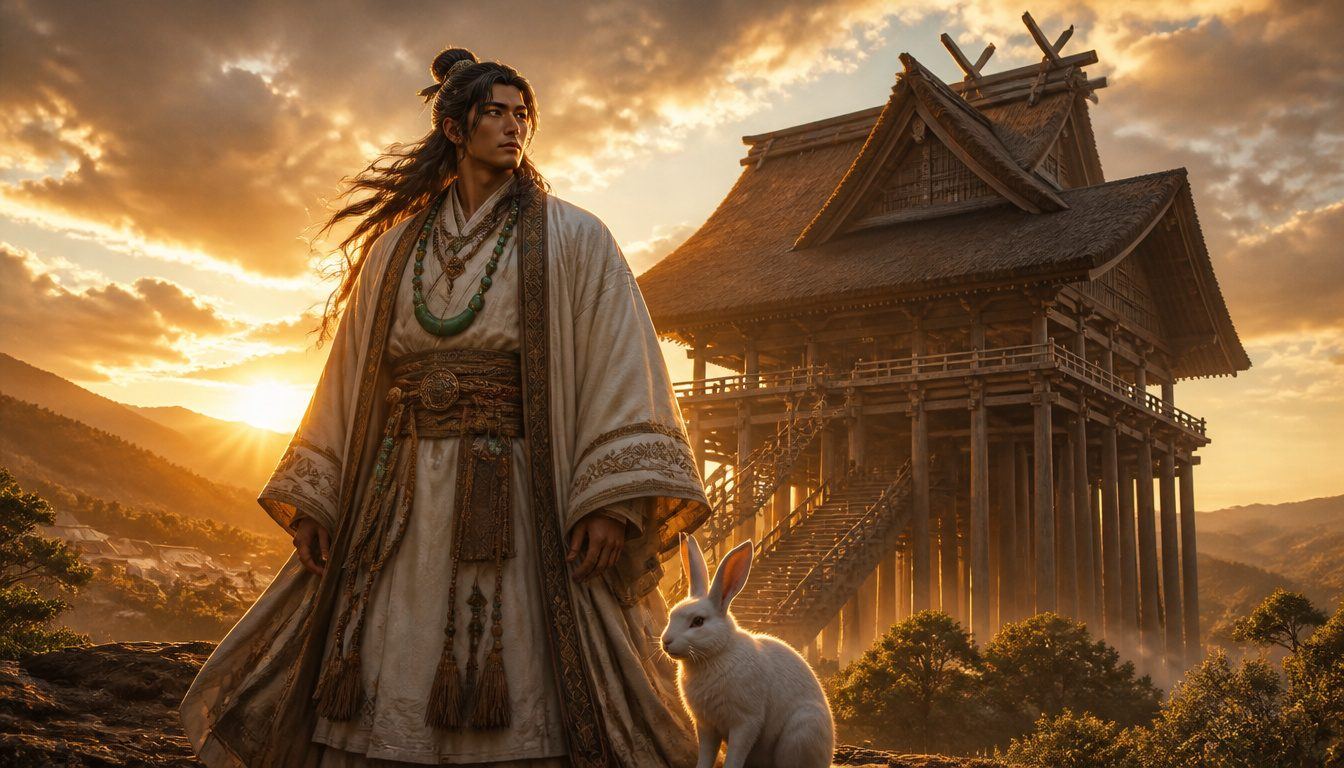
Ōkuninushi, the Japanese god of Izumo: a long-haired man in white robes and jade beads beside a white hare and towering shrine
The Nation Builder of Izumo

Ōkuninushi's Trials

Ōkuninushi heals the White Hare, survives his brothers, outwits Susanoo, builds the land and yields it to heaven — the Kojiki myth behind Izumo Taisha.

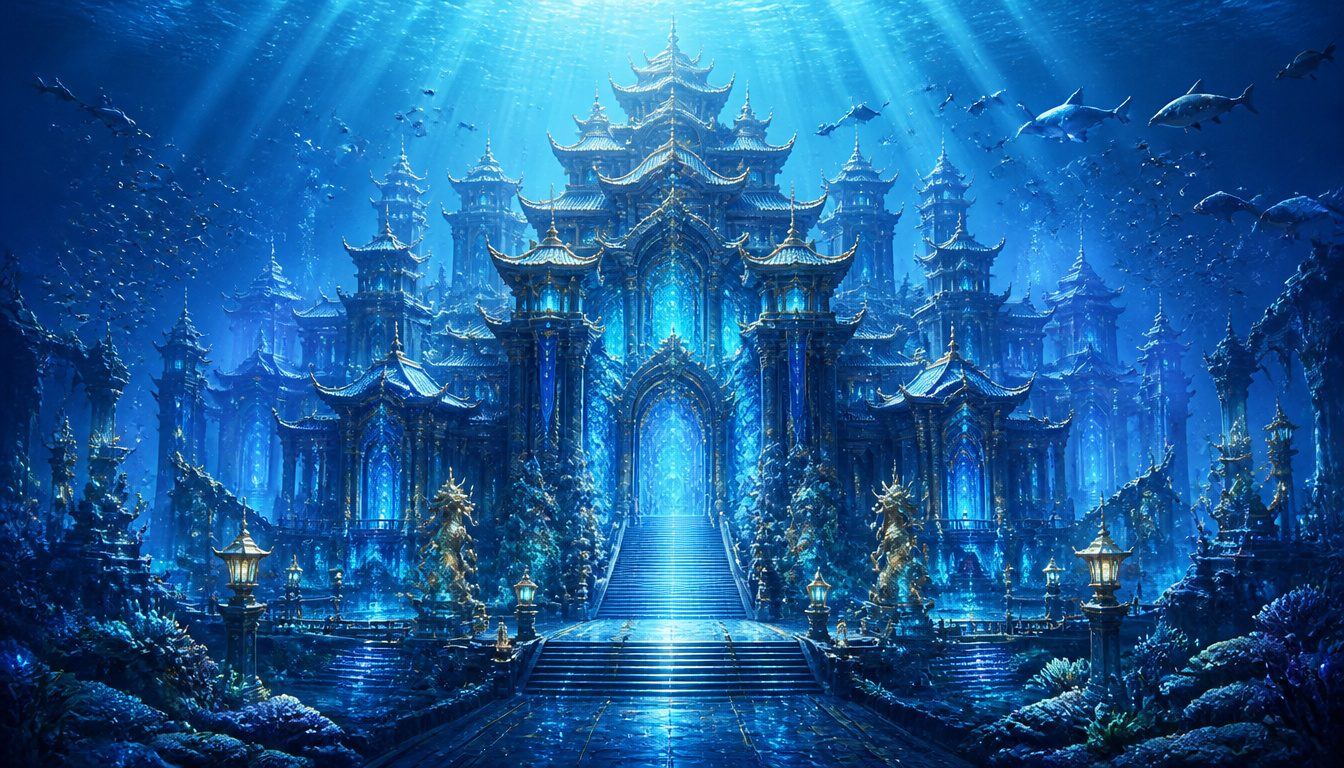
Ryujin's Palace, the Japanese dragon king's undersea castle: glowing blue pagoda towers, a long stairway, lanterns, coral and fish
The Palace of the Sea God

Ryujin's Palace

Hoori loses his brother's fishhook and finds the sea god Watatsumi's palace, the tide jewels and Toyotama-hime, as told in the Kojiki.

About the Kojiki →
祭

Festival Calendar 2027

From Setsubun in February to the Chichibu Night Festival in December: dates, places and the stories behind Japan's great festivals.

See the 2027 dates

Journey Through Time

From ancient mythology to modern tradition, explore the key periods that shaped Japanese culture and continue to influence the world today.

古

Ancient Era

Jōmon to Heian
Creation myths & spiritual foundations

武

Feudal Era

Kamakura to Edo
Samurai culture & artistic refinement

新

Modern Era

Meiji to Present
Innovation meeting tradition

未

Living Culture

Contemporary
Preserving heritage for tomorrow

Support Cultural Preservation

Help us preserve and share authentic Japanese culture with the world through education, research, and community engagement.

Learn About Our Foundation